Maintaining a residential boiler is crucial for ensuring your home remains warm and comfortable during the harsh Minnesota winters. As a homeowner in Minneapolis, understanding the intricacies of boiler service can lead to better efficiency, safety, and longevity of your heating system. This guide offers an essential checklist that covers everything you need to know about boiler services in Minneapolis, MN.
Understanding Your Boiler System
Before diving into maintenance and service specifics, it’s important to grasp the basic components of your boiler system. Most residential boilers operate using either gas or oil as fuel sources. They work by heating water and distributing steam or hot water through radiators or underfloor systems to maintain desired temperatures throughout your home.
The various types of boilers include:
Combi Boilers - These compact units provide both heating and hot water on demand. System Boilers - Often used in larger homes, they can supply hot water to multiple outlets simultaneously. Regular Boilers - These are traditional systems that require a separate hot water tank.Being familiar with the type of boiler installed in your home will help when discussing service needs with local professionals.
Why Regular Boiler Service is Essential
Regular boiler service is not just a recommendation; it is vital for several reasons. First and foremost, it ensures your system operates efficiently, which can save you money on energy bills over time. A well-maintained boiler uses less fuel while providing the same level of warmth.
Moreover, routine checks help identify potential problems before they escalate into costly repairs. A neglected boiler may develop issues such as leaking, strange noises, or failure to heat effectively—all of which can compromise your comfort and safety.
Lastly, regular servicing keeps you compliant with local regulations regarding heating systems and helps extend the lifespan of your equipment. In Minneapolis, many residential boiler companies offer annual maintenance plans that include essential checks and balances designed specifically for our climate.
The Essential Boiler Maintenance Checklist
When preparing for a professional service visit or conducting minor checks yourself, consider the following essential checklist items:
- Inspect Pressure Levels: Regularly check the pressure gauge on your boiler. Ideal pressure levels typically range from 1 to 2 bar when the system is cold. Check the Pilot Light: Ensure that your pilot light is burning brightly and consistently. A yellow flame indicates incomplete combustion and requires immediate attention. Examine Valves and Seals: Inspect all valves and seals for any signs of leakage or wear. Replace them immediately if you notice any damage. Bleed Radiators: If certain areas in your home feel colder than others, bleeding radiators may be necessary to release trapped air within the system. Clean Filters: Dirty filters can restrict airflow, forcing your boiler to work harder than necessary. Cleaning or replacing filters should be part of any regular maintenance routine.
This checklist provides a foundation for maintaining peak performance in your heating system but should not replace professional evaluations conducted by trained technicians.
Choosing the Right Residential Boiler Service Provider
Selecting a reliable residential boiler company in Minneapolis involves more than just picking one off an online list. Here are some key factors to consider:
Credentials and Licensing
Ensure any contractor you consider is licensed to operate in Minnesota. This guarantees they meet state standards for safety and quality workmanship.
Experience
Look for companies with extensive experience specifically in residential boiler services. An established provider will have encountered various scenarios over the years, enabling them to handle unforeseen issues effectively.
Customer Reviews
Online reviews offer valuable insight into customer satisfaction levels with specific contractors. Look at platforms like Yelp or Google Reviews for feedback from recent clients about their experiences.
Comprehensive Services Offered
A good contractor will provide a range of services including installation, repair, maintenance checks, and emergency services—ensuring you have support whenever needed.
Warranty Options
Inquire about warranties offered on parts and labor after servicing or installing equipment. Warranties indicate confidence in workmanship while providing peace of mind should issues arise post-service.
By thoroughly vetting potential service providers based on these criteria, you position yourself to receive high-quality care for your home’s heating needs.
Common Signs Your Boiler Needs Repair
Despite regular maintenance efforts, there may come a time when repairs are unavoidable due to wear or unexpected failures. Being able to recognize early warning signs can save time and money down the road:
Unusual Noises: If you hear banging or whistling sounds coming from your boiler, this could indicate internal issues such as air trapped inside pipes or sediment buildup.
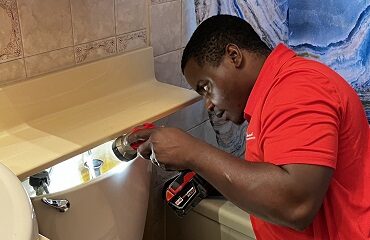
Inconsistent Heating: Cold spots around radiators or rooms failing to heat properly could signify circulation problems that require immediate attention.
Increased Energy Bills: A sudden spike in utility costs without changes in usage often points toward inefficiencies caused by mechanical problems.
Water Leaks: Any presence of water around your boiler might suggest leaks requiring prompt investigation by professionals.
Foul Odors: Gas leaks are serious emergencies; if you detect an unusual smell (often described as rotten eggs), evacuate immediately and call emergency services before contacting a technician.
Recognizing these signs early enhances safety while minimizing downtime during critical months when reliable heating becomes indispensable.
The Importance of Annual Inspections
Most manufacturers recommend annual inspections even if there appears to be no visible issue with operation—this preventive approach helps catch minor concerns before evolving into major headaches later on.
During an annual inspection performed by qualified technicians:
- They will conduct tests on key components such as burners and heat exchangers. Flue systems are examined thoroughly since blockages can lead not only to inefficiency but also create hazardous conditions within living spaces due inadequate venting practices. Technicians often clean out sludge buildup within heating systems that would otherwise impede performance over time—a factor particularly relevant given our cold winters where reliance upon central heating rises significantly during these months.
Investing time into scheduling these inspections pays dividends down the line—both financially through reduced energy costs as well as emotionally through peace-of-mind knowing professional eyes have assessed critical elements surrounding comfort within family dwellings throughout frigid seasons ahead!
Conclusion
Owning a home equipped with a functioning residential boiler means committing yourself both financially—and emotionally—to ensure its proper care throughout each season year-round! With diligent attention paid towards upkeep coupled alongside knowledge gained from this checklist guide concerning servicing practices found here today—homeowners across Minneapolis are empowered now more than ever before when deciding how best manage their own unique situations surrounding their beloved households’ warmth needs regardless what home boiler maintenance services life throws their way next!